
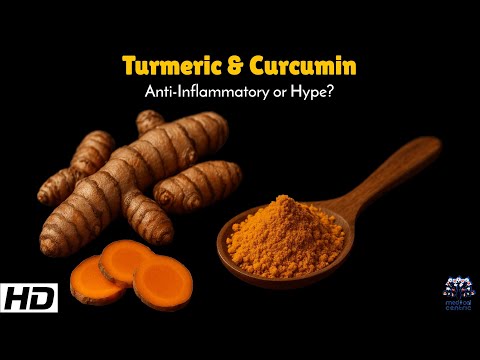
Turmeric, a bright yellow spice rooted in Ayurvedic and traditional medicine, has become a global wellness trend. Its active compound, curcumin, is often cited as the key to its health benefits particularly for its anti-inflammatory properties. But does the science match the hype?
Curcumin has been studied for its potential to influence inflammation at a molecular level. Chronic inflammation is linked to conditions like arthritis, heart disease, and metabolic syndrome. Some studies have shown curcumin may help reduce markers of inflammation, potentially offering relief for people dealing with inflammatory conditions. However, one challenge is bioavailability curcumin is not easily absorbed by the body in its natural form. To address this, many supplements pair it with piperine (found in black pepper), which significantly enhances absorption.
Despite promising research, many experts emphasize that curcumin alone shouldn’t be considered a cure-all. Most of the strong effects seen in clinical trials involve highly concentrated doses much higher than what’s typically consumed in food. Additionally, not all products are created equal. The effectiveness of turmeric supplements can vary depending on their formulation and dosage.
Still, including turmeric as part of a balanced diet may contribute to overall wellness, especially when combined with other anti-inflammatory lifestyle choices. It’s not about choosing between food and medicine, but understanding how nature can complement evidence-based healthcare.
Ultimately, turmeric and curcumin aren’t magic bullets but they’re far from being just hype. Their role in managing inflammation is supported by growing evidence, though it’s important to set realistic expectations and consult health professionals before relying on supplements alone. Balanced information is key when navigating the line between tradition and science.

00 3:09 3:10 3:11 3:12 3:15