
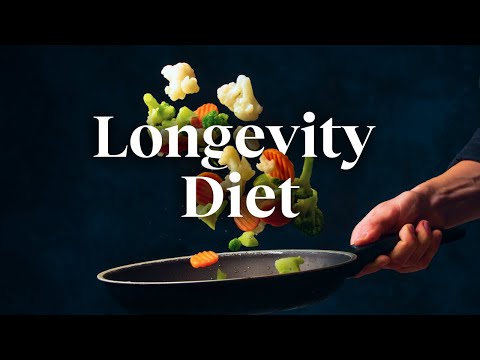
Former Yale professor Morgan Levine shares 3 ways to change your diet to extend your life.
Subscribe to Big Think on YouTube ►
Up next, The science of super longevity ►
Dr. Morgan Levine, author of “True Age,” explains how the impact of diet on aging and longevity is determined by three factors: quantity, quality, and timing of food intake.
First, caloric restriction, typically a 20% reduction in overall calorie intake, has been linked to increased lifespan in several animal models. However, the positive effects may stem from avoiding overeating rather than restriction per se. Second, a plant-based diet, with less animal products and refined sugars and more fruits, veggies, and whole foods, seems beneficial for aging and longevity. Third, fasting, or limiting eating to specific time windows, might mimic the benefits of caloric restriction by causing ‘hormesis’, mild stressors that boost resilience to aging-related changes.
The optimal diet is likely individual, influenced by factors like genetics and age, and should be monitored through measures of biological age and personal well-being. Future research into aging biomarkers could further our understanding of diet’s role in the aging process.
0:00 Does diet affect aging?
0:35 #1 Caloric restriction
1:40 #2 What you eat
2:07 #3 When you eat: fasting
2:38 Hormesis: Building biological resilience
3:16 What is the optimal diet for you?
Read the video transcript ►
———————————————————————————-
About Morgan Levine:
Morgan Levine was previously a tenure-track Assistant Professor in the department of Pathology at Yale University where she ran the Laboratory for Aging in Living Systems. In 2022, she was recruited to join Altos Labs as a Founding Principal Investigator at the San Diego Institute of Science. She currently leads a research group at Altos Labs working at the intersection of bioinformatics, cellular biology, complex systems, and biostatistics with the overall goal of understanding the molecular trajectories aging cells, tissues, and organisms take through time.
———————————————————————————-
Read more of our stories on aging:
Aging gratefully: Will you be happier in old age? ► Blood test can calculate your true biological age ► The brain undergoes a great “rewiring” after age 40 ►
———————————————————————————-
About Big Think | Smarter Faster™
► Big Think
Our mission is to make you smarter, faster. Watch interviews with the world’s biggest thinkers on science, philosophy, business, and more.
► Big Think+
Looking to ignite a learning culture at your company? Prepare your workforce for the future with educational courses from the world’s biggest thinkers. Trusted by Ford, Marriot, Bank of America, and many more. Learn how Big Think+ can empower your people today:
———————————————————————————-
Want more Big Think?
► Daily editorial features:
► Get the best of Big Think right to your inbox:
► Facebook:
► Instagram:
► Twitter:
What’s your diet like?
You can’t teach fat people anything. Fat people are stupid; that’s why they’re fat. Erudite people like me know this.
My oldest brother, now 67, bought into the calorie deprovation. He has stayed below 10% body fat, looks guant, and has nursed numerous injuries over the years. My sister that is two years older than me, same basic story: intentionally remained thin, always nursing an injury, looks skeletal. I, and the rest of my siblings, have allowed ourselves to carry more weight, like 15 to 20% for the men; we look young for our ages, seldom get injuries despite being physically very active, and have lots of energy. While I can’t speak to longevity, given our current health spans, we’ll probably do ok.
To maintain a good, happy, healthy, and physically fit life, it’s important to focus on various synchronized aspects. Here’s an glimpse approach:
Physical Health:
Nutrition: Prioritize a balanced diet rich in fruits, vegetables, lean proteins, and whole grains. Limit processed foods, sugary drinks, and excessive fats.
Exercise: Aim for at least 180 minutes of moderate-intensity aerobic exercise or 120 minutes of vigorous-intensity exercise per week, along with strength training at least twice a week.
Sleep: Get 9-10 hours of quality sleep each night. Establish a regular sleep schedule and create a relaxing bedtime routine.
Hydration: Drink plenty of water throughout the day.
Mental and Emotional Well-being:
Mindfulness and Stress
Management: Practice mindfulness techniques like meditation, deep breathing, or yoga. Engage in activities you enjoy to reduce stress.
Positive Relationships: Cultivate and nurture strong, supportive relationships with friends and family.
Gratitude: Regularly practice gratitude by acknowledging and appreciating the good things in your life.
Purpose and Meaning: Identify your values and pursue activities that give your life meaning and purpose.
Lifestyle Choices:
Avoid Alcohol and Avoid Smoking: If you take alcoholic medication, do so in moderation. Avoid smoking and exposure to secondhand smoke.
Sun Protection: Protect your skin from excessive sun exposure by using sunscreen, wearing protective clothing, and seeking shade.
Regular Health Check-ups: Schedule regular check-ups with your healthcare provider to monitor your health.
Habit Formation:
Consistency: The key to success is consistency. Make these practices a regular part of your daily routine.
Small Steps: Start with small, manageable changes and gradually build from there.
Self-Compassion: Be kind to yourself and don’t get discouraged by setbacks.
Social Connection:
Support System: Build a strong support system of friends, family, or support groups.
By integrating these practices into your daily life, you can significantly enhance your overall well-being and experience a happier, healthier, and more fulfilling life. What specific area would you like to focus on next?🏋️🏋️🏋️🌏🌏🌏🏋️🏋️🏋️
Do you work with big fast food companies? You are too reserved